

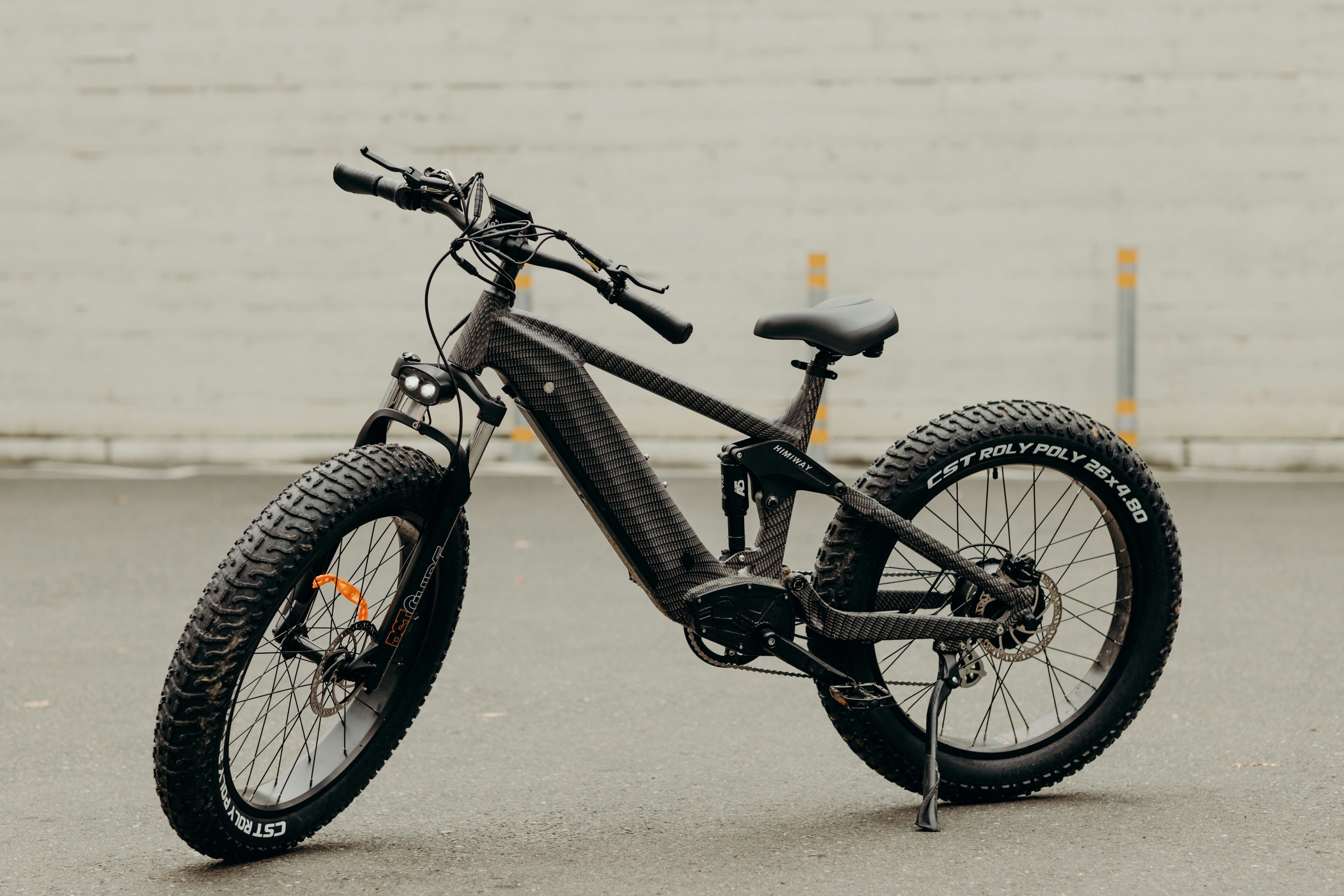
Introduction to Electric Mountain Bikes
Electric mountain bikes, commonly referred to as e-MTBs, represent a significant advancement in the realm of biking, merging traditional mountain biking experiences with modern electric technology. At their core, e-MTBs are equipped with an electric motor that assists the rider while pedaling, ensuring a more efficient and enjoyable ride, particularly on challenging terrains. This motor does not replace the rider’s effort but rather complements it, making steep climbs and long rides less taxing.
One of the primary differences between e-MTBs and traditional mountain bikes lies in the presence of an integrated electric power source. While traditional mountain bikes rely solely on human pedaling for propulsion, e-MTBs offer an extra boost, allowing riders to tackle rough trails with greater ease. This can be particularly beneficial for those who may not have the endurance for long distances or steep inclines, opening up the sport to a broader audience and encouraging more individuals to partake in outdoor cycling.
The growing popularity of electric mountain bikes is underscored by their appeal to both outdoor enthusiasts and casual riders alike. As e-MTBs offer a unique blend of performance, versatility, and accessibility, they attract individuals seeking adventure without the traditional physical constraints associated with mountain biking. Furthermore, many manufacturers are producing lightweight and sleek designs, enhancing the bike’s aesthetic appeal while maintaining functionality. The shift towards e-MTBs is indicative of a broader trend in cycling, where technological innovation meets consumer demand for sustainable, efficient modes of transportation.
Benefits of Electric Mountain Bikes
Electric mountain bikes (eMTBs) represent a significant innovation in cycling technology, providing various benefits that enhance the riding experience. One of the most prominent advantages is the enhanced power and speed they offer. Equipped with a motor that assists the rider, eMTBs allow cyclists to traverse challenging terrains with ease, making uphill climbs and steep slopes more manageable. This is especially beneficial for less experienced riders or those who may find traditional mountain biking physically demanding.
Furthermore, electric mountain bikes extend the range of rides, allowing enthusiasts to explore farther without the concern of fatigue. The battery-operated assistance means that users can go on longer excursions, which opens up new and exciting opportunities for adventure. Riders no longer have to turn back early due to tiredness, as the motor help can stave off exhaustion, making long journeys significantly more enjoyable.
In addition to practical riding benefits, eMTBs also contribute positively to overall health. While understanding and managing the electric assistance is crucial, riders still engage in physical activity, thereby improving cardiovascular fitness and muscle strength. Users can customize their rides by adjusting the level of motor assistance, allowing for workouts that can range from light to strenuous. This makes electric mountain biking a flexible option for various fitness levels.
Another essential aspect to consider is the environmental impact of electric mountain bikes. These bikes present a more sustainable alternative to traditional motorized vehicles, reducing carbon emissions and encouraging outdoor activities without disturbing nature. As awareness of environmental issues continues to grow, eMTBs offer an eco-friendly way to enjoy the outdoors while also promoting green transportation choices.
Types of Electric Mountain Bikes
Electric mountain bikes (eMTBs) have gained significant popularity due to their ability to enhance the riding experience across various terrains. They come in several categories, each catering to different riding conditions and user preferences. Understanding these types makes it easier for potential buyers to select the ideal electric mountain bike for their needs.
The first category is the hardtail electric mountain bike. These models feature a front suspension but lack rear suspension, which makes them lighter and generally more affordable. They are well-suited for cross-country riding on relatively smooth trails, providing efficient energy transfer while maintaining better traction on climbs. Hardtails are often recommended for novice riders due to their simplicity and ease of handling.
Next, we have full-suspension electric mountain bikes, which are equipped with both front and rear shocks. This technology provides better handling and comfort on rough terrains, absorbing bumps and enhancing stability. Full-suspension models are ideal for downhill trails and aggressive riding styles, making them popular among experienced mountain bikers who frequently navigate rocky paths and steep declines.
Finally, fat tire electric mountain bikes deserve mention. With their wide tires, these models excel in providing excellent traction and stability on loose surfaces like sand, mud, or snow. Fat tire eMTBs are excellent for adventurous riders looking to explore diverse terrains year-round. Their design enables them to glide over obstacles that would impede traditional mountain bikes.
In choosing between hardtail, full-suspension, and fat tire options, riders should consider their local terrain, experience level, and intended use. Each type of electric mountain bike offers unique features that cater to different riding styles, ensuring there is a suitable option for everyone enthusiastic about exploring the great outdoors.
Key Features to Consider When Buying an Electric Mountain Bike
Investing in an electric mountain bike (e-MTB) necessitates careful consideration of several critical features that directly influence performance and enjoyment on the trails. One of the first aspects to evaluate is the motor power. Generally, e-MTBs come equipped with either mid-drive or hub motors, with mid-drive systems often providing better balance and effective weight distribution. The power output is usually measured in watts (W), where higher wattage typically translates to enhanced torque and hill-climbing capabilities. This factor is particularly important for riders who navigate steep terrain.
Battery capacity is another crucial element. Measured in amp-hours (Ah) or watt-hours (Wh), battery capacity dictates how long the bike can operate on a single charge. A higher capacity enables extended travel distances, vital for long rides. It’s also beneficial to consider the battery’s positioning on the frame, as this affects weight distribution and maneuverability.
The frame material plays a significant role in the bike’s overall weight and durability. Common materials include aluminum, carbon fiber, and steel, each offering distinct benefits. While aluminum is lightweight and cost-effective, carbon fiber provides superior shock absorption and a lightweight structure, albeit at a higher price point.
Suspension type is integral to comfort and control, especially on rugged trails. Riders can opt for either hardtail or full-suspension bikes, with full-suspension designs generally providing better shock absorption and comfort during descents. The drivetrain quality also deserves attention, as it impacts shifting performance and overall ride efficiency. A bike with a reliable drivetrain will ensure smoother transitions between gears, enhancing the overall riding experience.
Lastly, the fit and comfort of the bike cannot be underestimated. A proper fit ensures that the rider can enjoy longer rides without discomfort, making it essential to test different sizes and geometries to find the most suitable option.
Top Brands for Electric Mountain Bikes
When exploring the market for electric mountain bikes, it is crucial to consider the reputation of the various brands available. Several manufacturers have established themselves as leaders in the industry, offering innovative technology, quality builds, and exceptional performance tailored to a wide range of riders.
One prominent brand is Trek, known for its commitment to quality and performance. Trek’s electric mountain bikes combine advanced battery systems with superior suspension technology, ensuring a smooth ride even on rugged terrains. The brand’s e-MTB range not only prioritizes speed and agility but also durability, making them suitable for both beginner and experienced cyclists.
Another notable contender is Specialized, which has earned acclaim for integrating cutting-edge engineering into their electric mountain bikes. Their Turbo series features powerful motors that provide excellent torque and seamless acceleration, paired with robust components designed for demanding trails. This unique blend of power and precision helps riders tackle steep climbs and technical descents with confidence.
Giant, one of the largest bicycle manufacturers globally, has also made significant strides in the e-MTB market. Their models feature the SyncDrive motor system, which promotes a natural riding experience while offering an impressive range. Giant focuses on customer satisfaction, ensuring that everything from the frame design to the electrical components is tailored for responsiveness and reliability.
Lastly, Cannondale stands out with its innovative approach to electric mountain biking. Their e-MTBs are designed with lightweight frames and sophisticated battery technology, enhancing overall maneuverability. Cannondale’s emphasis on unique geometries and stability allows riders to navigate diverse terrains effortlessly.
With these brands among others, potential buyers can find a vast array of electric mountain bikes suited to their individual needs and preferences, each providing a balance of quality, performance, and cutting-edge technology. Exploring options from these reputable manufacturers can help ensure an informed purchase that meets one’s cycling aspirations.
Finding electric mountain bikes for sale can be an exciting yet daunting experience, especially considering the plethora of options available in the market today. To start with, local bike shops are an excellent option. These establishments not only offer a variety of electric mountain bikes but also provide the added advantage of expert advice from knowledgeable staff. Visiting a local shop allows you to test ride different models, helping you make an informed decision based on comfort and handling.
Alternatively, online marketplaces have become increasingly popular for purchasing electric mountain bikes. Websites such as eBay, Craigslist, and Facebook Marketplace can provide access to a wide range of options, including both new and used bikes at varying price points. It is important to exercise caution when purchasing online. Always check the seller’s reputation, request detailed photos, and if possible, meet in a public place to examine the bike before finalizing the purchase.
Specialized e-commerce websites dedicated to biking can also serve as a valuable resource. Websites like Jenson USA and Competitive Cyclist often have extensive inventories of new electric mountain bikes from various manufacturers. These sites frequently include detailed specifications, customer reviews, and comprehensive return policies, allowing for a more secure purchasing process.
When deciding between new and used electric mountain bikes, consider your budget and intended use. New bikes typically come with warranties and the latest features, whereas used bikes may offer significant savings but might lack the same level of reliability. Focusing on your needs and preferences can help you determine the best route for obtaining an electric mountain bike that suits your requirements.
Tips for Test Riding an Electric Mountain Bike
When considering the purchase of an electric mountain bike, test riding is a crucial step to ensure it meets your needs and preferences. Here are some tips to help you maximize your test ride experience, focusing on comfort, control, and performance.
First and foremost, it’s essential to determine the appropriate size of the bike. Ensure that you can easily straddle the frame, with your feet flat on the ground. Adjust the saddle height so that you can pedal comfortably without overextending your legs. A well-fitted bike will greatly enhance your overall comfort during the test ride. Do not hesitate to ask the retailer for adjustments if necessary.
Next, evaluate the bike’s comfort on various terrains. Electric mountain bikes are designed for varied conditions, so try riding on different surfaces such as gravel, dirt, and inclined paths. Pay attention to the suspension system; it should absorb shocks effectively, providing a smooth ride. Notice how the bike handles rough trails and if it aligns with your riding style.
Control is paramount when riding an electric mountain bike. During your test ride, familiarize yourself with the brakes and gears. Ensure that the braking system is responsive and that you can shift gears seamlessly. It’s also beneficial to test the pedal-assist features, which allow for an adjustable level of power assistance while pedaling. Assess how the power output responds with your pedaling effort; it should feel natural and supportive.
Lastly, consider taking the bike for an extended ride if possible. This will give you a better sense of its overall performance and how it feels over time. Pay attention to any discomfort or handling concerns that arise. Remember, this test ride phase is not just about enjoying the ride, but also about gauging the electric mountain bike’s suitability for your future adventures.
Maintaining Your Electric Mountain Bike
Proper maintenance of your electric mountain bike is crucial to ensure its longevity and optimal performance. One of the key components requiring attention is the battery. Electric mountain bike batteries should be charged regularly and properly stored when not in use. It’s advisable to charge the battery after each ride and avoid letting it completely drain, as this can significantly reduce its lifespan. Additionally, during the winter months or extended periods of non-use, store the battery in a cool, dry place at around 50% to 70% charge for optimal health.
Regular cleaning is also fundamental in maintaining your electric mountain bike. After each ride, especially in muddy or wet conditions, wipe down the frame and components with a damp cloth to prevent dirt and debris from building up. Be cautious around electrical connections; a gentle wash with mild soap and water followed by thorough drying is generally recommended to keep the bike in top shape.
An equally important aspect of maintenance is tire care. Ensure that your electric mountain bike tires are properly inflated according to the manufacturer’s specifications, as under-inflated tires can lead to flats and poor handling. Inspect them for any signs of wear or damage regularly and replace them as needed to ensure safety and performance. Maintaining the drivetrain is also significant; lubricating the chain regularly will help in achieving smoother gear shifts and prolonging the lifespan of your bike’s gears.
Finally, it is essential to know when to seek professional servicing for your electric mountain bike. If you notice unusual noises, performance issues, or any electronic malfunctions, consulting with a qualified technician for in-depth inspections or repairs is recommended to avoid further complications.
Conclusion: Is an Electric Mountain Bike Right for You?
As we have explored throughout this guide, electric mountain bikes (eMTBs) present a unique blend of traditional cycling and modern electric assistance. Deciding whether an eMTB is the right choice for you ultimately hinges on your riding goals, personal preferences, and the type of terrain you plan to conquer.
If your interest lies in navigating challenging trails with relative ease, an electric mountain bike provides the necessary power to tackle steep inclines and rugged surfaces without sacrificing the thrill of mountain biking. The additional assistance can enhance your riding experience by allowing you to cover longer distances without excessive fatigue, making it an ideal option for those who wish to explore more remote or demanding terrains.
Moreover, the appeal of eMTBs extends to a broad range of riders, from beginners seeking to build their skills to experienced cyclists aiming to maintain longevity in their adventures. However, it is crucial to consider factors such as budget, maintenance, and the potential need for charging infrastructure, as these elements can influence your overall satisfaction with the bike.
Before proceeding with a purchase, it is advisable to test ride several models to assess their fit, comfort, and handling. Equally, gaining clear insight into your specific riding goals will play a significant role in determining the suitability of an electric mountain bike. Whether you prioritize speed, endurance, or exploration, evaluating these aspects will help in making a well-informed choice.
In summary, an electric mountain bike can be a transformative addition to your cycling repertoire, enabling a more exhilarating and accessible experience on challenging trails. By weighing your options and aligning your choice with your riding ambitions, you can confidently decide if this innovative mode of transportation aligns with your lifestyle.